ENGINEERING THE FUTURE
Smart Manufacturing Technologies
1
Laser Processing
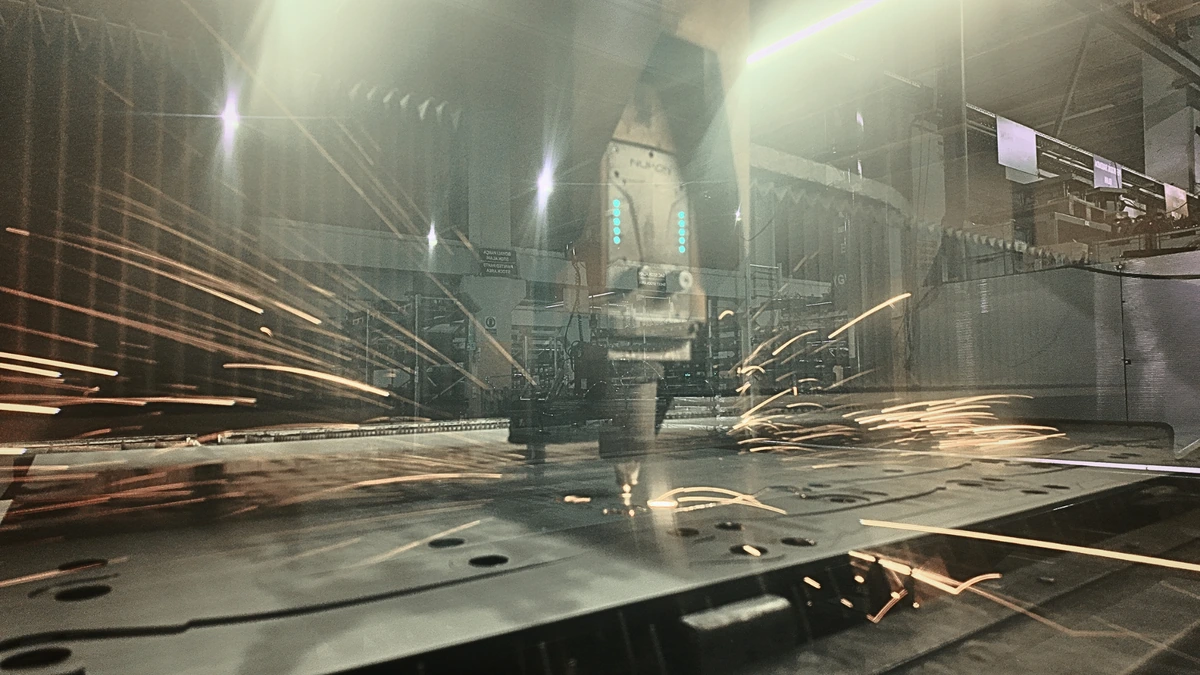
Laser cutting processes are utilized at the early stages of production to define the initial geometry of suspension and linkage components prior to forming operations. High-speed and high-precision laser processing enables accurate contour definition, tight tolerances, and efficient material utilization, particularly for complex geometries. By applying laser cutting at this stage, competitive cost structures, reduced lead times, and consistent dimensional quality are achieved across series production.
Sheet Metal Forming
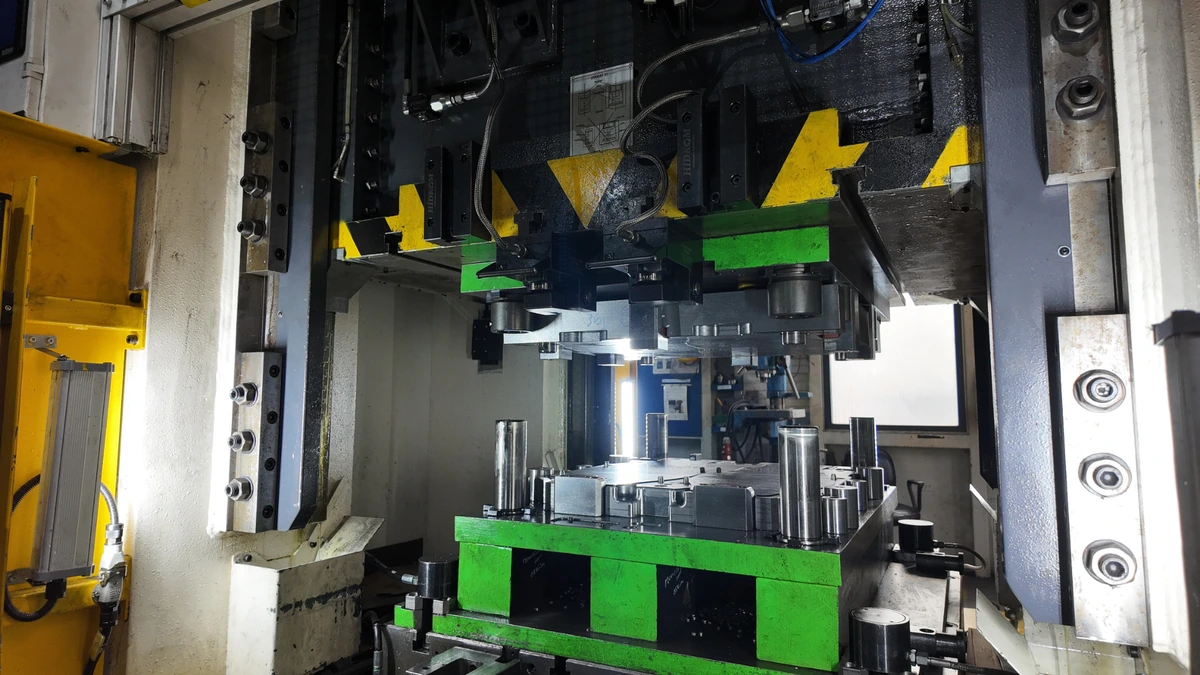
Sheet metal forming processes are applied to steel and aluminum components following laser cutting operations to achieve the required structural geometry and strength characteristics. Controlled forming parameters, validated tooling, and stable press processes ensure dimensional accuracy, repeatability, and structural consistency. These processes support both lightweight designs and durability requirements across different suspension architectures.
2
3
Welding
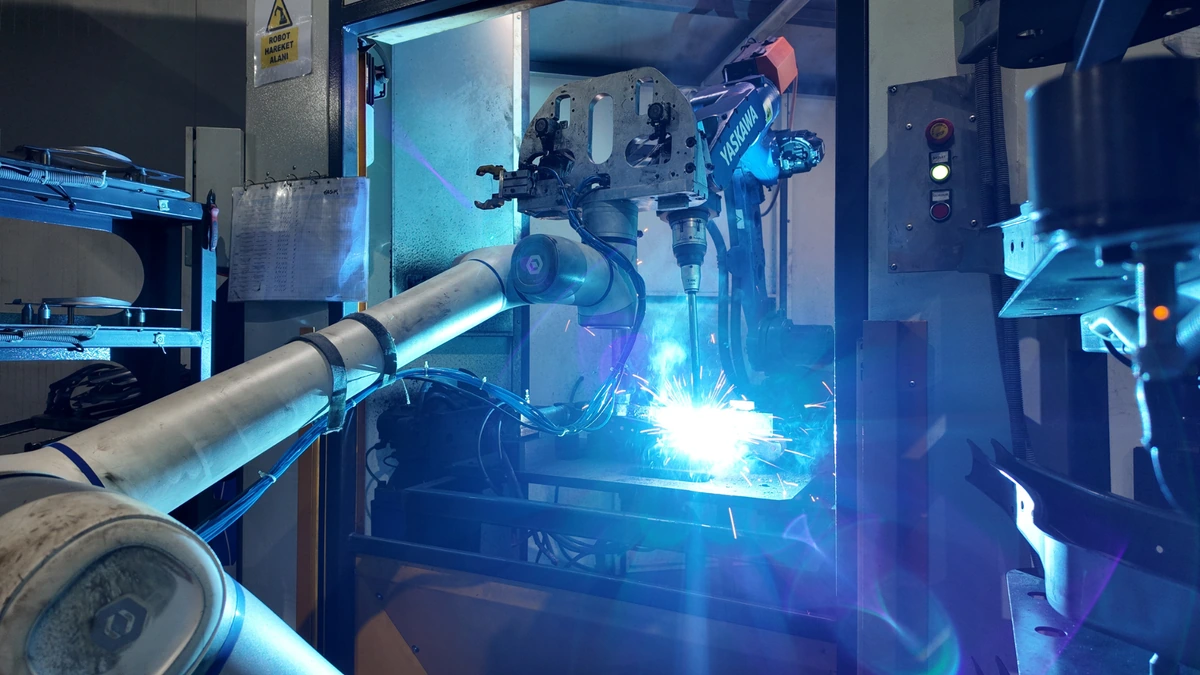
Welding processes are applied to suspension and linkage components exposed to high loads and demanding operating conditions, where structural integrity and fatigue resistance are critical. Increased part mass and complex load paths often require extended welding lengths and controlled welding sequences. Robotic welding systems and process parameters are defined and validated by engineering teams to ensure repeatable joint quality. For applications involving challenging welding conditions, production capability and engineering know-how are combined to meet customer requirements reliably.
Assembly
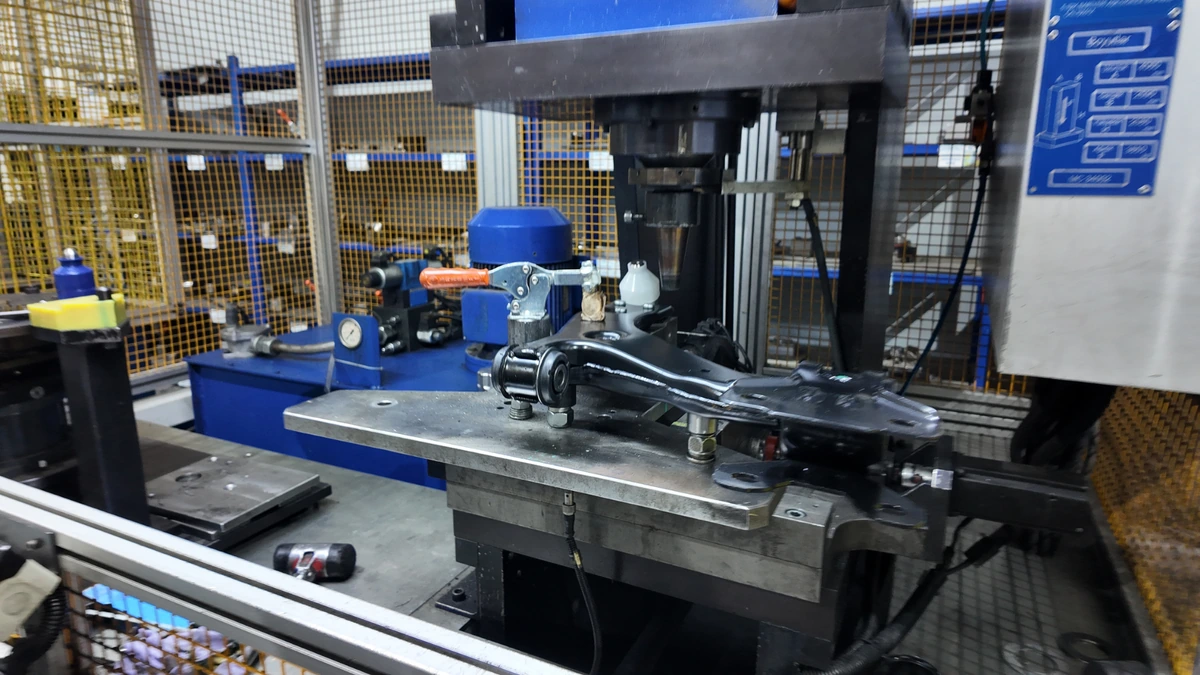
Assembly processes are managed through controlled and traceable operations to ensure consistent quality of safety-critical components. Bushing pressing, part marking, and in-process quality checks are integrated into assembly lines. Data collection systems are utilized to monitor assembly parameters, enabling quality verification and process stability throughout serial production.
4
5
Rubber to Metal Production
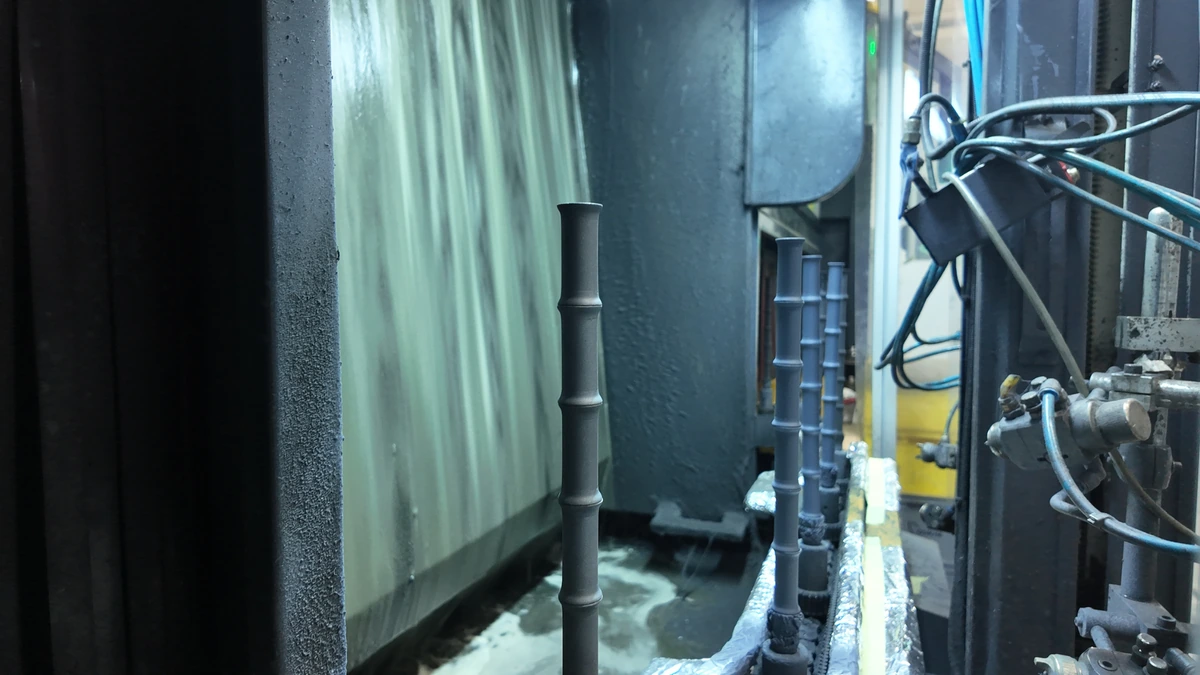
Rubber-to-metal production processes are fully integrated in-house, covering pipe forming and rolling operations, surface preparation, degreasing, sandblasting, chemical bonding application, and controlled vulcanization. These processes are supported by internal testing systems to validate bonding strength, stiffness characteristics, and durability under static and dynamic loading conditions.
Additive Manufacturing
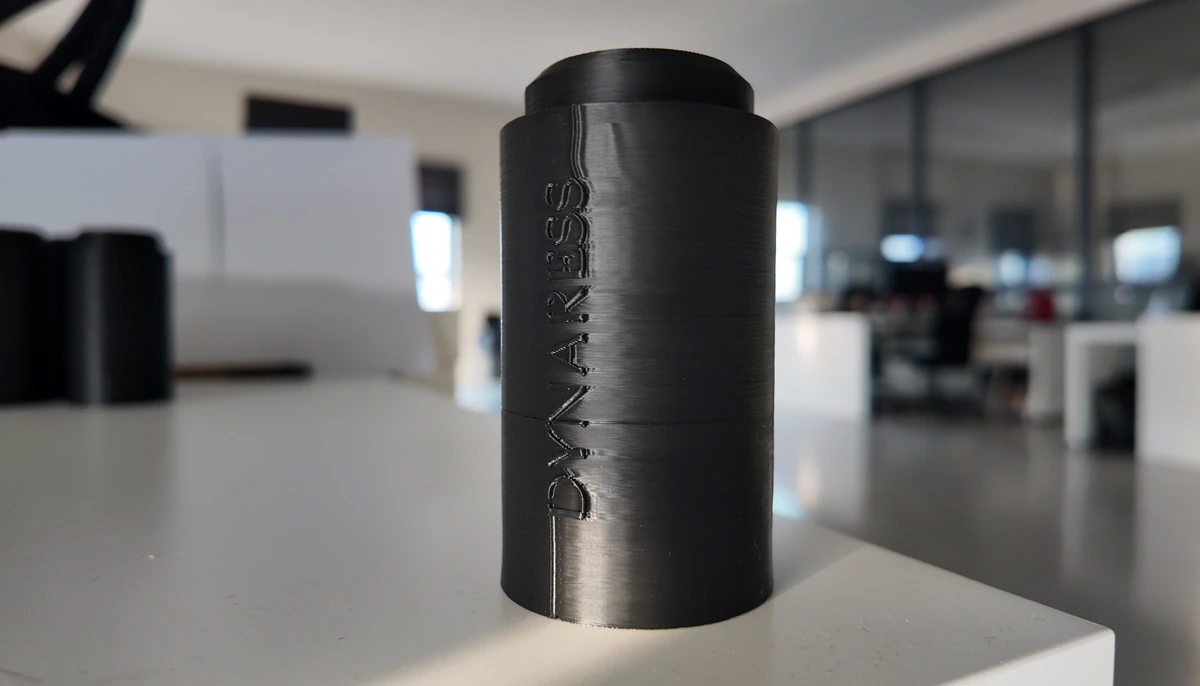
Additive manufacturing processes are utilized to support rapid prototyping, fixture development, and design validation activities. Complex geometries required for development and production support applications are manufactured efficiently, reducing development time and enabling faster engineering iterations without reliance on dedicated tooling.
6