OEM PROJECTS
Better Than today
Oskim: Precision Components for Global Mobility
Suspension and linkage systems are developed and produced for passenger cars, light commercial vehicles, and heavy-duty commercial platforms across global OEM programs. Lightweight designs compatible with ICE, HEV, BEV, and FCEV propulsion architectures are supported through optimized geometries, material selection, and controlled manufacturing processes. From advanced e-mobility platforms to heavy transport applications, components are engineered to meet demanding performance, durability, and integration requirements defined by OEM standards.

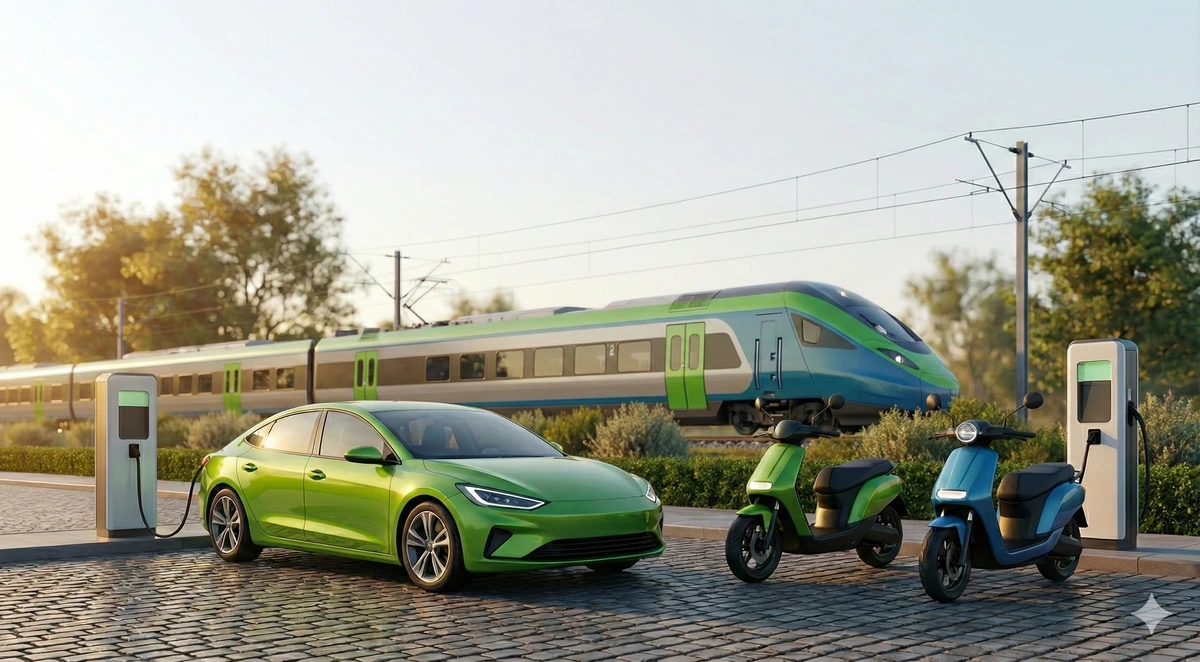
Lightweight and high-precision linkage and suspension components are engineered for advanced e-mobility and next-generation urban vehicle platforms. Compact vehicle architectures, reduced system mass, and high energy efficiency targets are supported through optimized structural designs and material combinations. These components are designed to ensure smooth operation, stability, and long-term durability in electric vehicles, shared mobility systems, and urban transportation applications operating under intensive usage conditions.
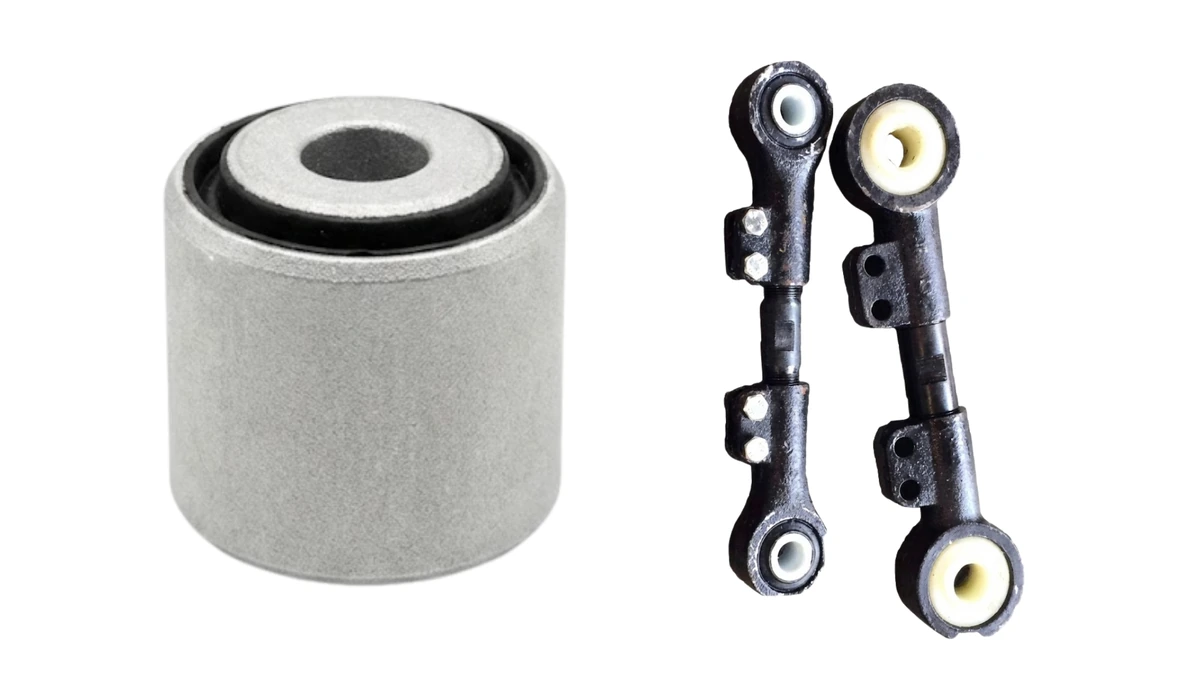
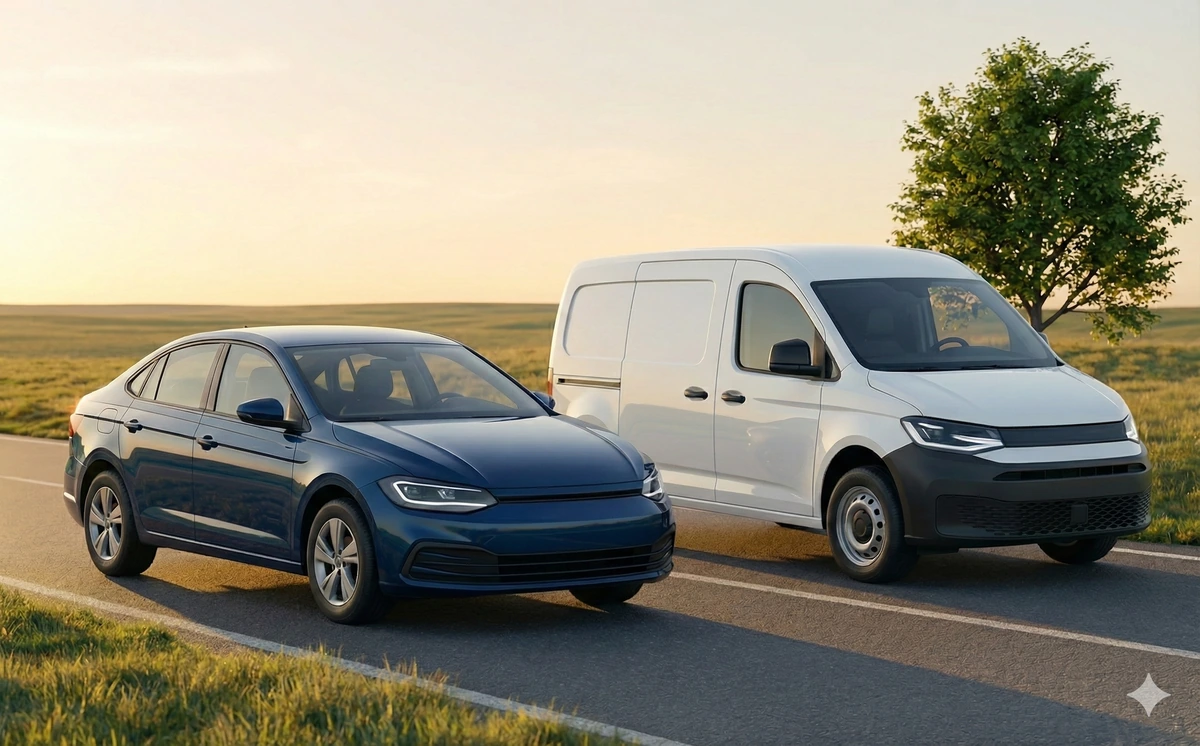
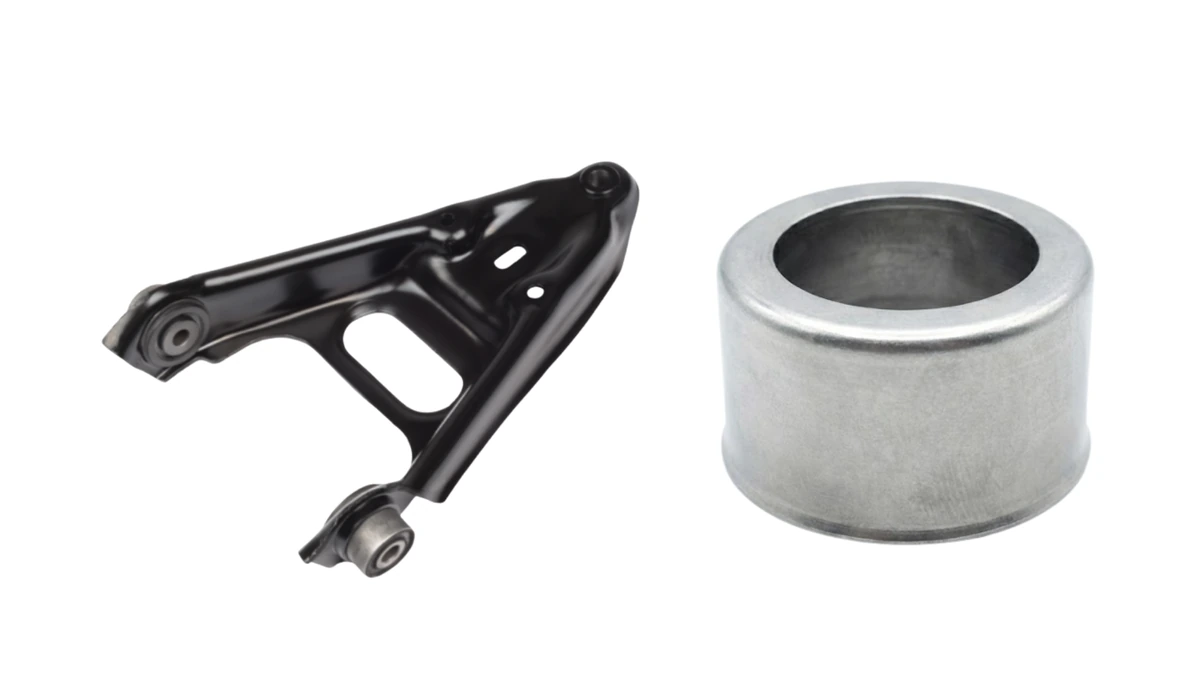
Engineered linkage and suspension parts are developed for passenger cars and light commercial vehicles to deliver ride comfort, handling precision, and structural durability across a wide range of vehicle segments. Full compatibility with ICE, HEV, BEV, and FCEV architectures is ensured, allowing seamless integration into both conventional and electrified powertrain platforms. Validation processes are conducted under representative load cases and driving conditions to ensure consistent performance throughout the vehicle lifecycle.
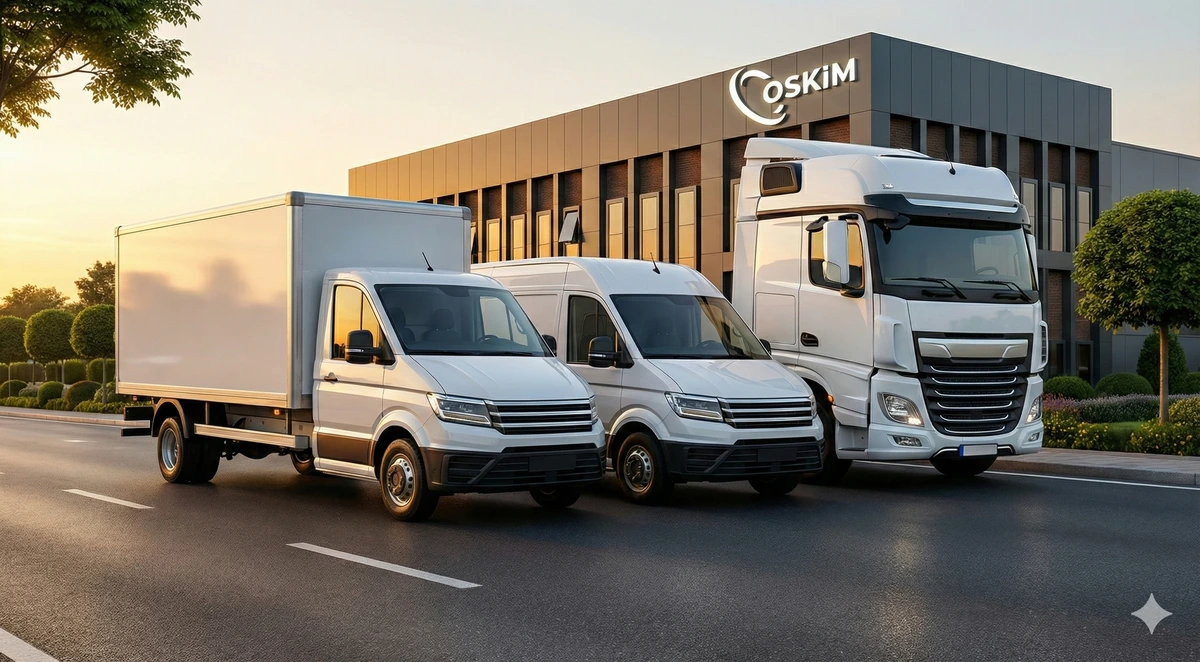
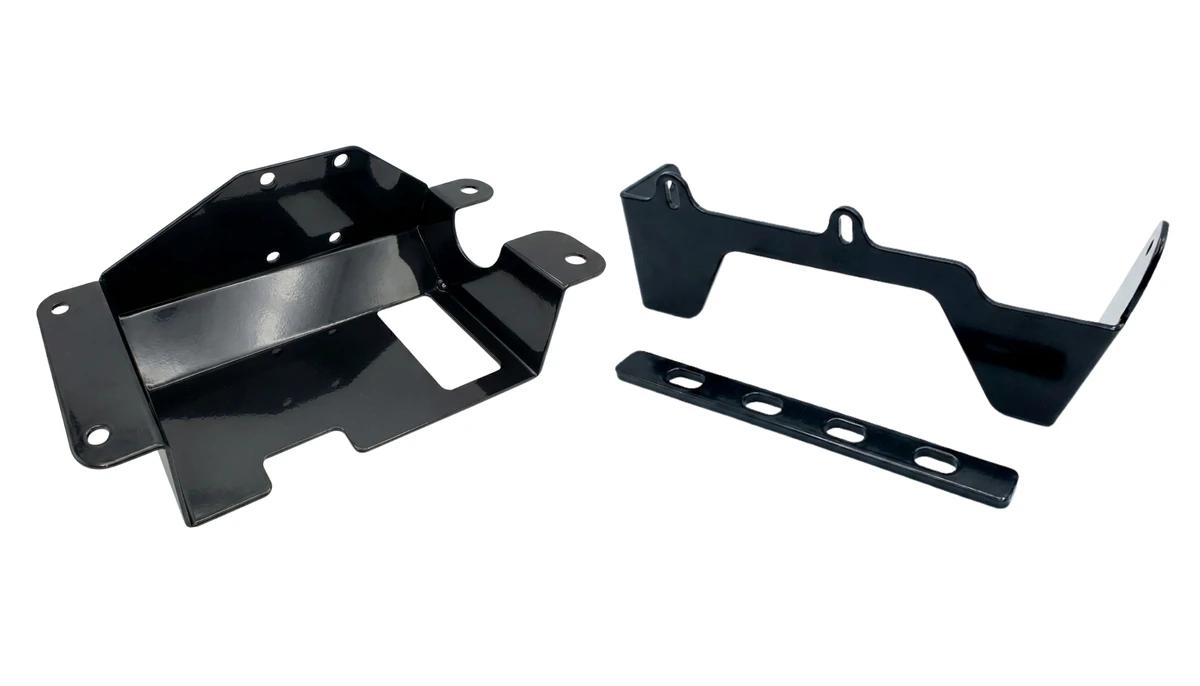
For commercial vehicle platforms, linkage and suspension systems, structural components, and battery connection assemblies are engineered to meet high durability and load-carrying requirements. Battery mounting and connection systems, together with intelligent assembly approaches, are realized through aluminum and high-strength steel sheet metal forming processes. These structures support electric, hybrid, and hydrogen-powered commercial vehicles where lightweight construction, reliable battery integration, and robust assembly concepts are critical for operational efficiency, payload optimization, and long service life.