Sustaınabılıty
Sustainable production, sustainable future
Our Corporate PerspectIve
Green Future Sustainable Development
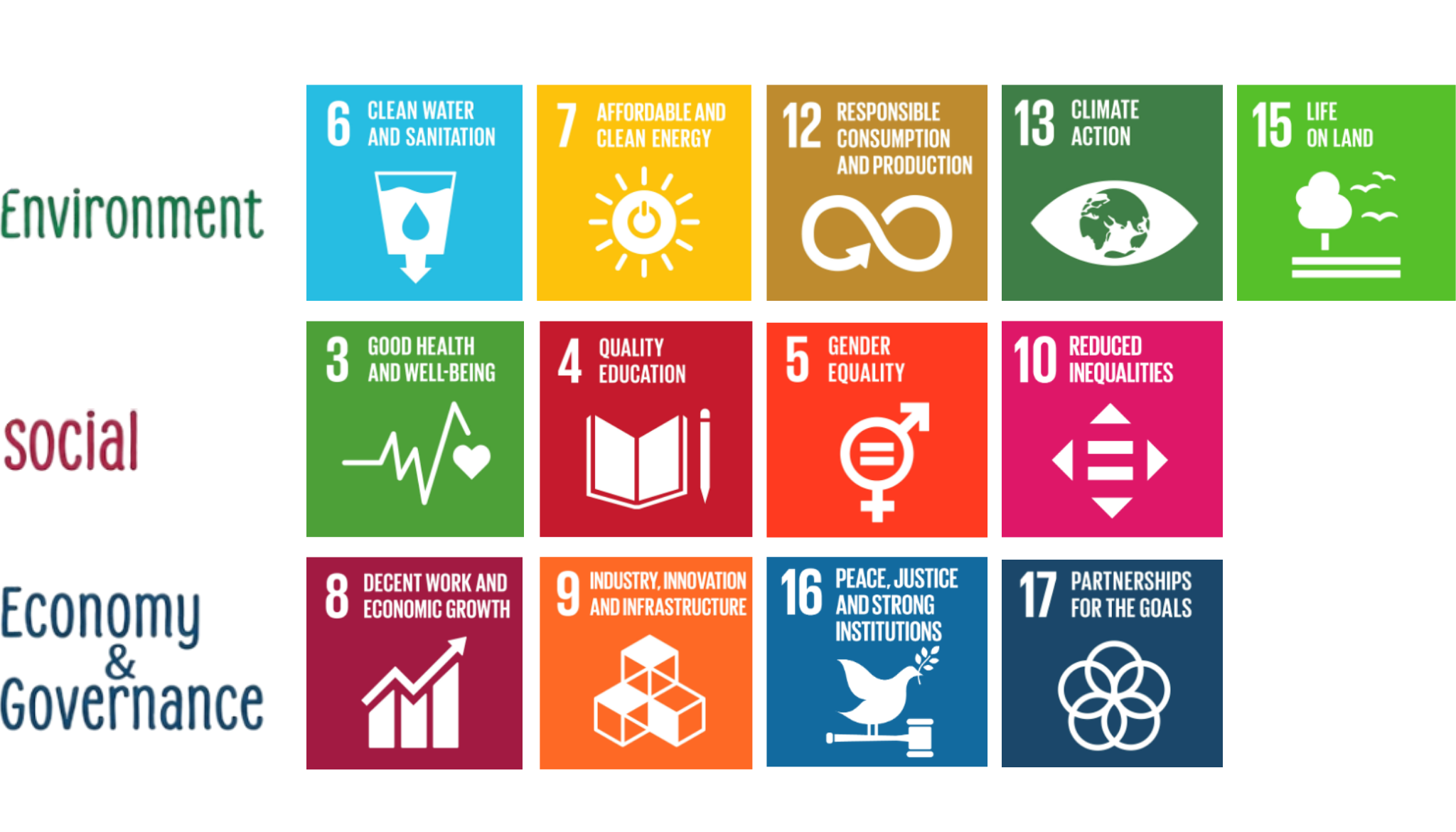
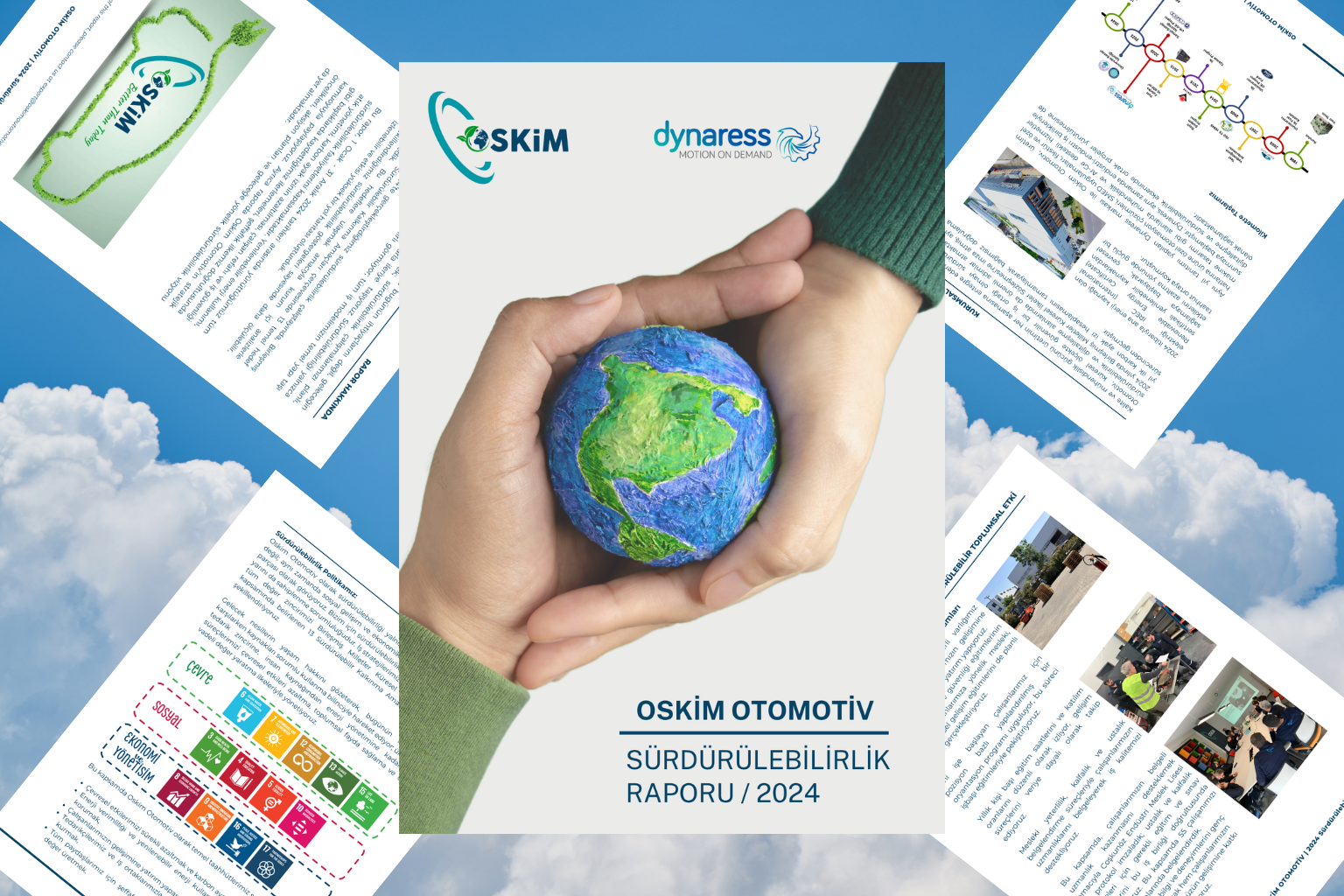
At OSKIM Automotive, sustainability is regarded not only as an environmental responsibility but also as an integral element of social development and economic growth. Business strategies, operational practices, and the entire value chain are aligned with the 13 Sustainable Development Goals defined under the United Nations Global Compact.
Resources are used responsibly to meet today’s needs while safeguarding the rights of future generations. All processes—from production and supply chain management to human resources and energy management—are conducted in line with the principles of reducing environmental impacts, creating social value, and ensuring long-term sustainability.
Electricity consumption is fully supplied from renewable energy sources to support environmentally responsible production practices. This commitment is validated through the acquisition of 450 I-REC Certificates corresponding to 450 MWh of energy consumption, confirming the reduction of carbon footprint and the use of certified green energy.
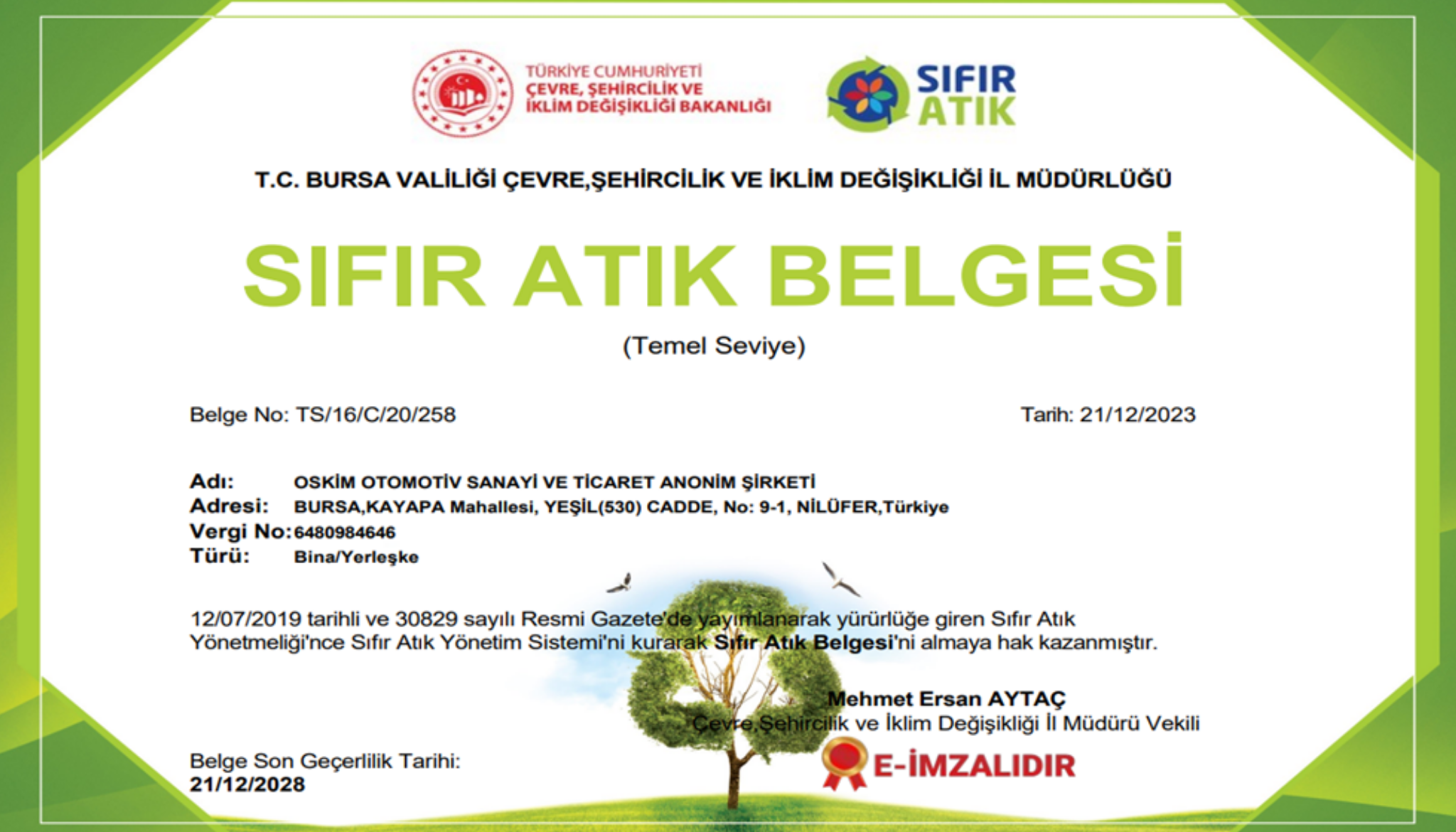
In line with environmentally conscious production practices, the Basic Level Zero Waste Certificate issued by the Ministry of Environment, Urbanization, and Climate Change has been obtained. Waste is separated at the source, recycled, and managed through an established Zero Waste Management System to prevent unnecessary environmental impact.
In accordance with this global vision and a commitment to transparency, the latest Communication on Progress (CoP) report submitted to the UN Global Compact is shared publicly, providing detailed insight into sustainability practices and progress.
Corporate sustaInabIlIty
Our Sustainability Principles
In production processes, waste generation is minimized through the efficient use of energy and water resources, while environmental impact is carefully controlled and reduced.