What should you check on your car before autumn? Key points to keep in mind when checking the tires, brakes, battery, wipers, lighting and fluids.
The end of summer brings changes not only in weather conditions but also in the conditions cars face. More frequent rain, lower temperatures, earlier sunsets and slippery roads make certain components—often overlooked during hot, dry summer days—important again.
Autumn is also a good time to prepare your car for the more challenging conditions of winter. Simple checks can help identify some problems before they become more serious. Many of these checks are not just about the mechanical condition of the car; they are directly related to driving safety.
Visibility matters in rainy weather
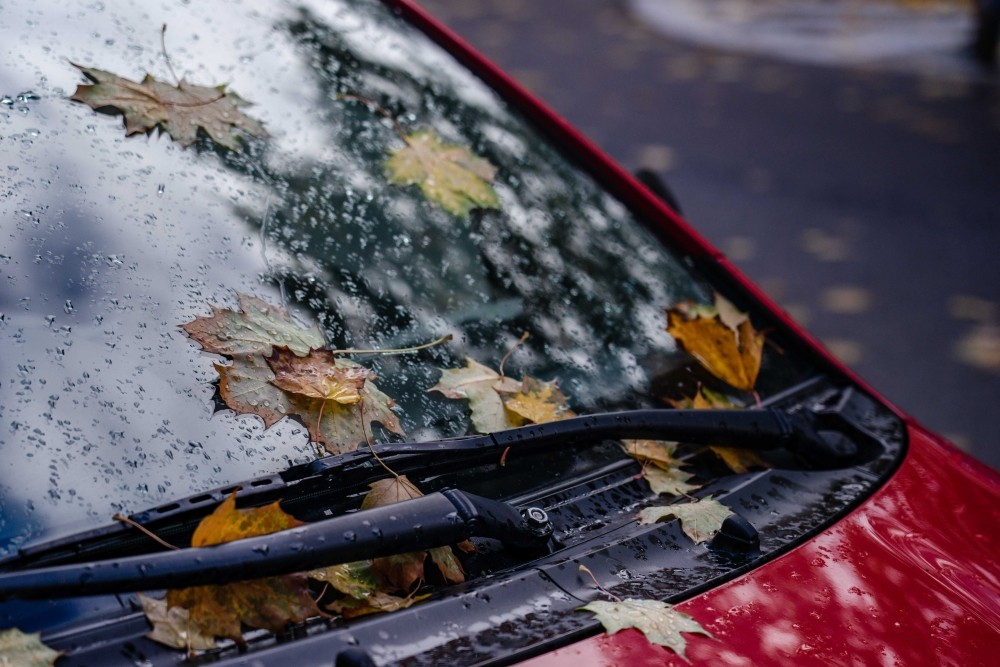
One of the first things to check in autumn is the wipers. After exposure to high temperatures and direct sunlight throughout the summer, wiper blades can harden over time. This may become more noticeable during the first heavy rain.
If the wipers leave streaks on the windshield, miss certain areas, spread water across the glass or make noise, it may be time to replace them. Worn wipers can significantly reduce visibility, especially at night when their effect combines with the glare from oncoming headlights.
Washer fluid is another part of the same check. Rather than filling the reservoir with plain water, use washer fluid suited to the season. This helps clean dirt from the windshield more effectively and protects the system if temperatures drop further.
The climate control and ventilation system should also be checked. Windows fogging up is a common problem on cool, rainy days. A properly working front windshield defroster and air conditioning system help maintain visibility, especially in the morning and evening.
Tires and brakes need to be ready for changing road conditions
As autumn arrives, road surfaces change too. Rain, fallen leaves and lower temperatures can all affect grip. That is why checking tire pressure alone is not enough.
Tire pressure can change as temperatures drop, so check it when the tires are cold and adjust it to the level specified by the vehicle manufacturer. It is also a good idea to check the spare tire, if the car has one.
Tread depth matters, but so does the overall condition of the tire. Cracks on the sidewalls or tread, uneven wear and hardened rubber can affect performance. If the tread cannot clear water effectively, the tire may lose contact with the road on wet surfaces, increasing stopping distance.
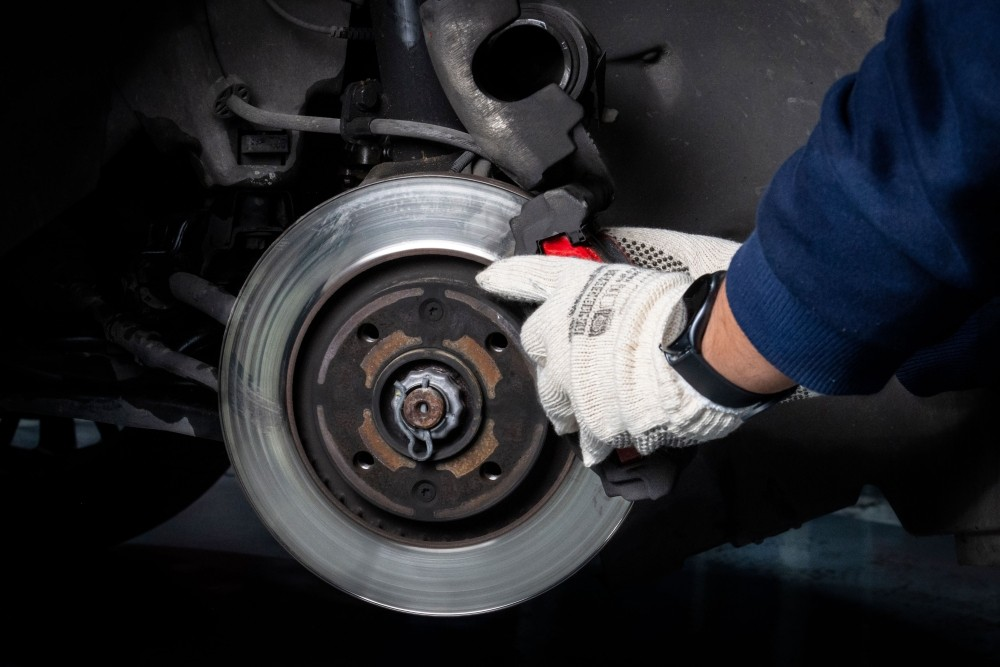
The braking system is another key item to check before autumn. Unusual noises during braking, vibrations felt through the pedal or steering wheel, and changes in pedal response should not be ignored. Brake pads, discs and brake fluid should be inspected by a service professional when necessary.
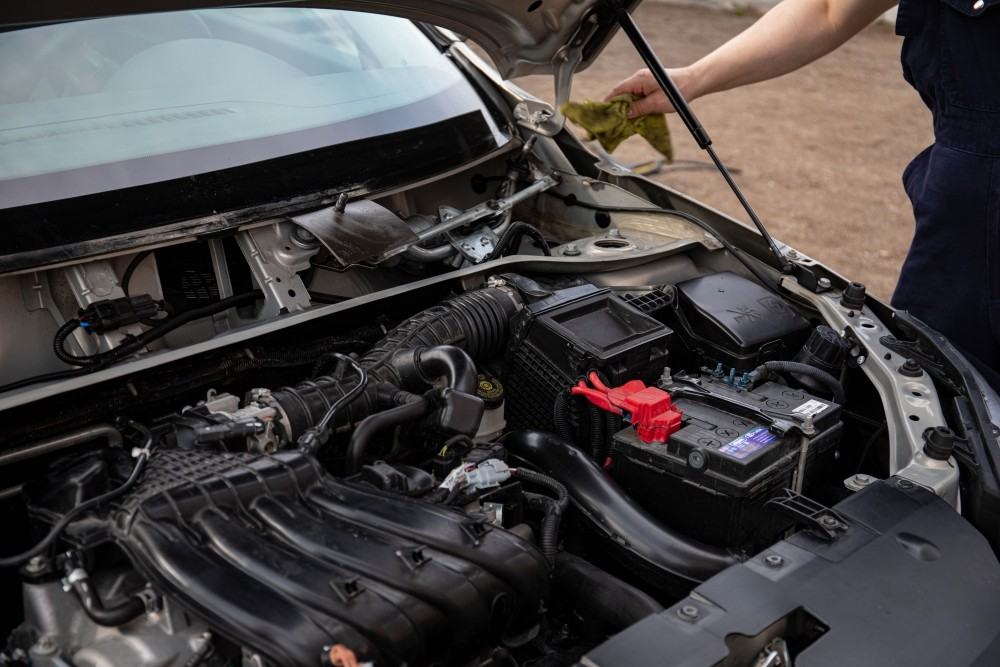
The battery and lighting become more important as winter approaches
Battery problems often become apparent once cold weather sets in, but deterioration can accelerate during the summer. High temperatures affect the battery’s chemical processes, while colder weather increases the energy needed to start the engine. A weakened battery may become noticeable as a result.
If the starter motor turns more slowly than usual, the car takes longer to start or electrical systems behave irregularly, have the battery’s voltage and charging capacity checked. You can also check the battery terminals for corrosion.
As autumn days grow shorter, the vehicle’s lights are used for longer periods. Check the low and high beams, brake lights, turn signals, reversing lights and fog lights one by one.
Light output matters as much as whether the headlights turn on. Headlight lenses that have yellowed or become cloudy over time can prevent light from reaching the road properly. Incorrect headlight alignment can reduce the driver’s visibility and dazzle oncoming drivers.
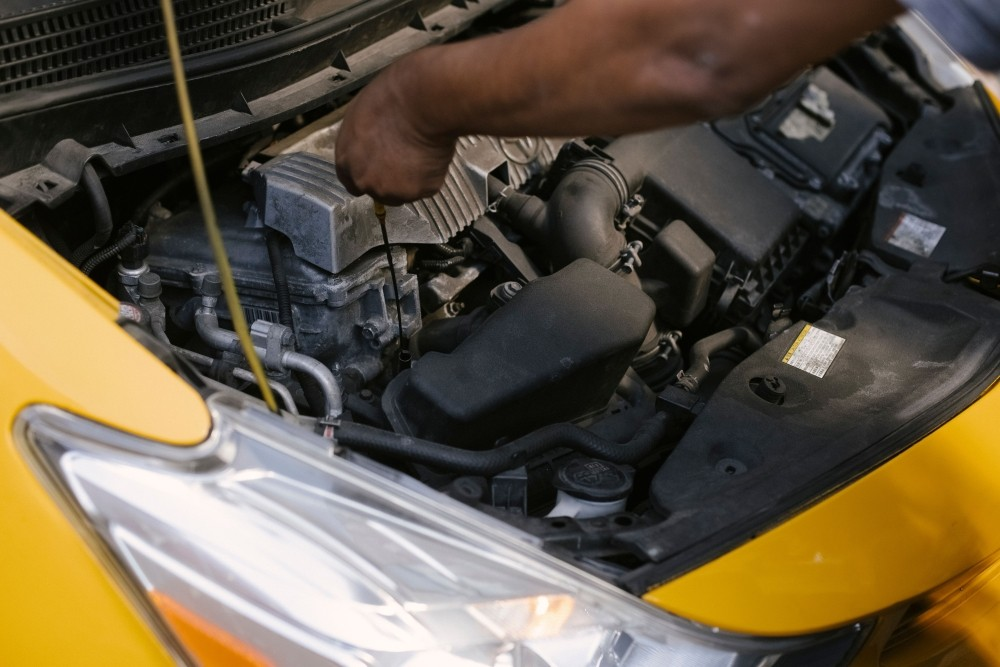
Fluids and filters should also be on the checklist
Autumn maintenance is not limited to components that are immediately noticeable while driving. Check the engine oil, coolant and other essential fluid levels before winter approaches.
The antifreeze concentration in the cooling system is particularly important. Antifreeze does more than prevent the coolant from freezing in winter; it also helps protect the system against corrosion and maintain suitable operating conditions. For this reason, check not only the fluid level but also the condition of the coolant mixture.
The air and cabin filters should also be checked. A clogged cabin filter can reduce airflow inside the vehicle and make it take longer to clear fogged windows. A heavily contaminated engine air filter can restrict the airflow the engine needs.
These checks before autumn do not amount to a major repair. The aim is to assess the car’s condition after the summer and identify potential problems before wet and cold weather sets in. Basic checks of the wipers, tires, brakes, battery, lights, fluids and filters can help prepare the car for autumn and winter conditions.
SOURCES
https://www.otohaber.com.tr/sonbaharda-otomobil-bakiminda-kontrol-edilmesi-gerekenler-h